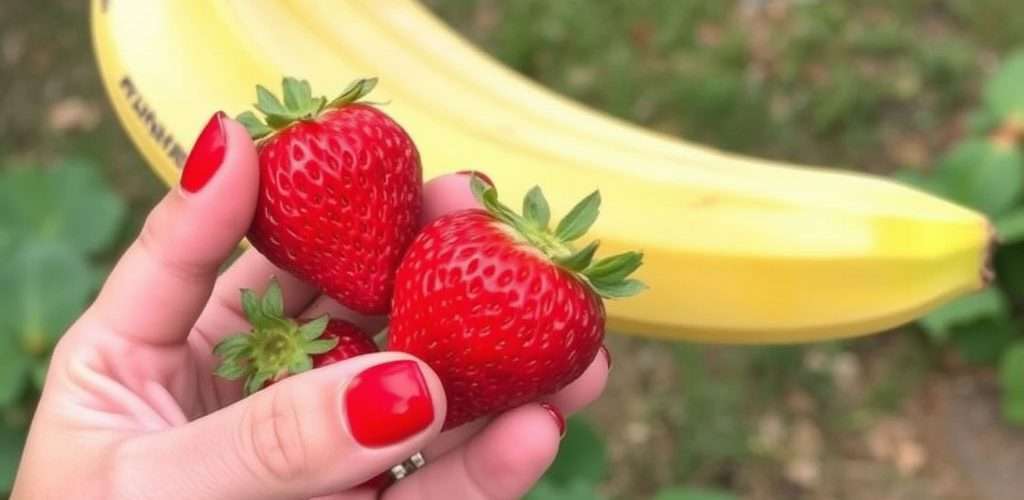
Botanically speaking, bananas are classified as berries, while strawberries are not. A berry is a fruit produced from the ovary of a single flower with seeds embedded in the flesh. Surprisingly, cucumbers, kiwis, and grapes are also considered berries. On the other hand, strawberries are classified as aggregate fruits because they form from multiple ovaries.
You may also like
Beyond the Obvious: Unexpected Twists on Everyday Knowledge
We think we know the world. We’ve got the basics down – water’s wet, the sky is blue (most of the time), and cats are liquid. But what if I told you there’s a whole universe of fascinating, slightly bizarre, and downright surprising facts hiding just beneath the surface of everyday life? Let’s dive in and uncover some unexpected truths. The Surprisingly Social Lives of Plants We often picture plants as passive, silent beings, soaking up the sun and quietly growing. But did you know they have surprisingly complex social lives? Trees, for example, communicate through a vast underground network of fungi called the “wood wide web.” This network allows trees to share nutrients, warn each other about insect infestations, and even prioritize the needs of weaker saplings. It’s like a giant, interconnected social media platform for the forest floor – gossip, warnings, and even a bit of parental support all happening underground. Cleopatra and the Pyramids: A Case of...
The Curious Case of the Everyday Extraordinary: A Sideways Look at Familiar Things
Ever stopped to wonder why a flamingo is pink, or how many licks it really takes to get to the center of a Tootsie Pop? We’re bombarded with information daily, yet the truly interesting details often get lost in the shuffle. Let’s take a sideways glance at some “facts” you *think* you know, and unearth some surprisingly quirky truths along the way. The Unexpected Anatomy of a Banana Bananas, those ubiquitous yellow curves, are surprisingly complex. They’re berries, yes, but did you know that the banana we eat is a sterile hybrid? This means it can’t reproduce naturally; every Cavendish banana (the type most commonly found in supermarkets) is essentially a clone of its parent plant. This lack of genetic diversity makes them incredibly vulnerable to disease – a single devastating blight could wipe out the entire global supply. Cleopatra and the iPhone: A Surprisingly Close Connection Sounds crazy, right? But think about it: Cleopatra lived closer in...
The Unexpectedly Familiar: A Sideways Glance at Everyday Astonishments
The Unexpectedly Familiar: A Sideways Glance at Everyday Astonishments Ever felt like you’re surrounded by a world of comfortable familiarity, yet simultaneously clueless about the weird and wonderful details underpinning it all? You’re not alone. This isn’t a deep dive into quantum physics (though we might touch on that briefly), but rather a playful exploration of seemingly ordinary things, viewed from a deliciously skewed perspective. Prepare to have your assumptions gently, and sometimes hilariously, upended. The Surprisingly Violent World of Fruit Think of a juicy orange. Peaceful, right? Wrong. That vibrant orb is the result of a violent struggle for survival. Each segment is a separate fruit, all crammed together in a fierce competition for sunlight and nutrients. It’s a citrusy free-for-all, a miniature botanical battle royale waged within the confines of a peel. The Unexpectedly Mathematical Nature of Honeycombs Honeybees, nature’s tiny architects, build their...


Add comment