
 Axel Foley
We all love a good nature documentary, right? Majestic lions, graceful whales, towering trees. It’s easy to get lulled into thinking we’ve got a pretty good handle on what’s going on in the natural world. But hold onto your hats, because Mother Nature is a master of surprise, and what you think you know might be a little… well, off.
The Buzz About Bees: They’re Not Just Honey Makers
When you think of bees, you probably picture fuzzy little guys buzzing around flowers, making delicious honey. And yeah, they do that. But did you know that some bees are practically secret agents of plant reproduction? We’re talking about mason bees, for example. Unlike honeybees, which live in large hives and have a queen, mason bees are solitary. They’re also incredibly efficient pollinators, and unlike honeybees, they don’t have barbed stingers, so they’re pretty chill and unlikely to sting you. They’re also super handy for gardeners. They nest in small cavities, like hollow reeds or drilled wooden blocks, making them easy to house. Forget the elaborate beehives; these solitary heroes are doing a massive amount of pollination work, often with far less fanfare than their honey-making cousins. So next time you see a bee, give it a nod of respect, even the solitary ones! Planet Earth's Unexpected Guests: Nature's Quirky Surprises and Hidden Talents
The Ocean’s Unsung Heroes: It’s Not All Sharks and Whales
The ocean is vast and mysterious, and we tend to focus on the big, charismatic stars like sharks and dolphins. But what about the humble sea sponge? These seemingly simple creatures are actually bio-mineral factories. They filter massive amounts of water, cleaning it up and playing a crucial role in maintaining marine ecosystems. Some sponges have been around for thousands of years, making them some of the oldest living organisms on Earth. Imagine a creature that’s been quietly doing its job, cleaning the ocean, for millennia! They’re like the ancient, silent janitors of the sea, and their impact is enormous. So, while sharks get all the screen time, remember the sponges. They’re the real MVPs of the underwater world, quietly supporting life as we know it.
The Secret Lives of Trees: They Talk, They Share, They’re Social Butterflies
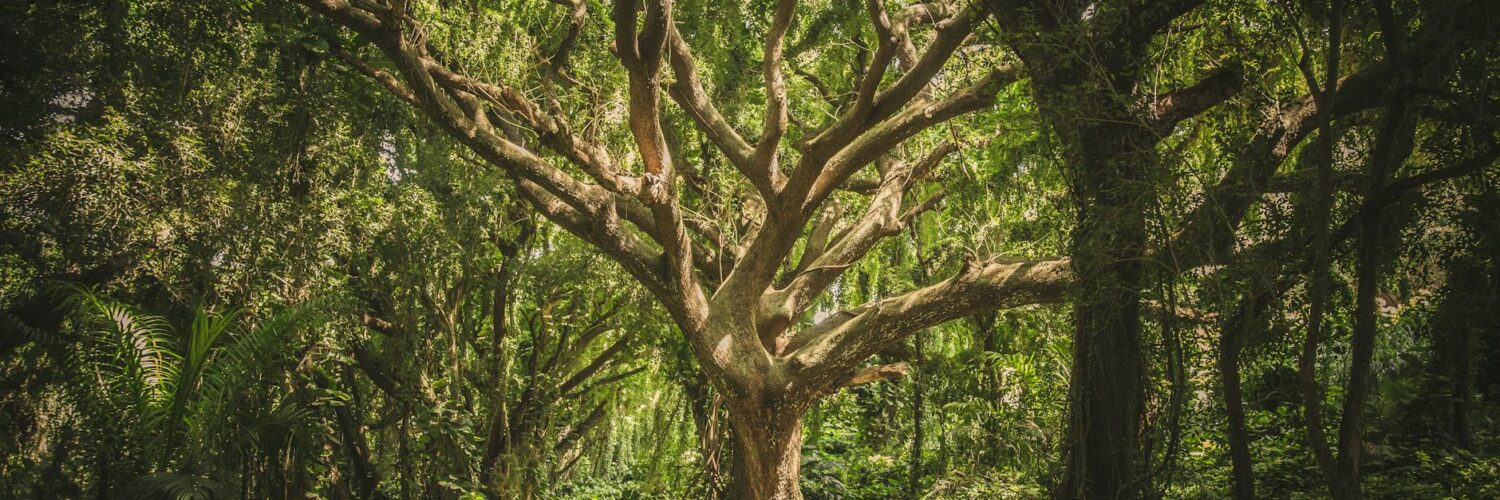
We often see trees as solitary beings, reaching for the sky. But research has revealed a whole hidden world of communication and cooperation happening beneath the forest floor. Trees, particularly in old-growth forests, are connected by a complex network of fungi, often referred to as the “wood wide web.” Through this network, they can share resources like water and nutrients. Even more fascinating, they can send warning signals to each other about insect attacks or drought. If one tree is stressed, it can alert its neighbors, allowing them to prepare. It’s like a forest-wide social media network, but way more important for survival. They even have “mother trees” that nurture younger saplings. So, the next time you walk through a forest, remember, the trees are having a lively, and very important, conversation. The Wild Unexpected: Nature's Greatest Tricks & Truths
Antarctica’s Unexpected Oasis: It’s Not All Ice and Snow
When you think of Antarctica, you probably imagine an icy wasteland, suitable only for penguins and seals. But believe it or not, there are pockets of life that thrive in the most extreme conditions. Take the Antarctic pearlwort, for instance. This tiny flowering plant is a tenacious survivor, growing in surprisingly harsh environments. And then there are the lakes beneath the ice sheets. Lake Vostok, one of the largest subglacial lakes, is thought to harbor unique microbial life that has been isolated for millions of years. These organisms have adapted to complete darkness, immense pressure, and frigid temperatures. It’s a reminder that life finds a way, even in places we consider utterly inhospitable. It’s a whole hidden world, just waiting to be discovered.
The Incredible Intelligence of Crows and Ravens: Smarter Than You Think
We often associate intelligence with primates or dolphins, but corvids, like crows and ravens, are incredibly smart. These birds are not just good at finding food; they can solve complex puzzles, recognize human faces, and even use tools. Studies have shown that crows can remember individual human faces for years and will pass on information about “good” or “bad” people to their offspring. They’ve been observed fashioning tools out of twigs and string to reach food. Some ravens have even been trained to recognize and respond to human speech. They have a sophisticated social structure and can hold grudges. So, while you might think you’re outsmarting that crow trying to steal your fries, it’s probably outsmarting you right back. They’re the feathered geniuses of the bird world.
The Surprising Role of Fungi: More Than Just Mushrooms
Fungi are often overlooked, but they are absolutely fundamental to life on Earth. Beyond the mushrooms we eat, fungi are incredible decomposers, breaking down dead organic matter and returning vital nutrients to the soil. Without them, our planet would be buried under piles of dead plants and animals. They also form symbiotic relationships with plants, helping them absorb nutrients from the soil, as we saw with the “wood wide web.” Some fungi have even been found to break down plastics and other pollutants, offering potential solutions to our waste problems. They are the silent cleanup crew and the essential nutrient recyclers of the planet. They are truly the unsung heroes of decomposition and nutrient cycling.
The Incredible Adaptations of Desert Animals: Masters of Survival
We often think of deserts as barren, lifeless places, but they are teeming with life, and the animals that live there have some truly mind-blowing adaptations. Take the thorny devil lizard in Australia. It doesn’t need to drink water in the traditional sense. Its skin is grooved in a way that channels morning dew and rainfall directly into its mouth. It’s like a built-in, personal water collection system. Or consider the camel’s hump. It’s not just a water tank; it’s packed with fat, which can be metabolized for energy and produces water as a byproduct. Desert animals have also evolved incredible ways to regulate their body temperature through burrowing, nocturnal activity, and specialized blood vessels. These creatures are like living engineering marvels, designed to thrive where we would quickly perish.
The Phenomenal Power of Plants: They’re Not Just Decorations
Plants are the backbone of most ecosystems, but their capabilities go far beyond just looking pretty. Many plants have incredible defense mechanisms. Some, like the acacia tree, can release airborne chemicals to warn other trees of approaching herbivores, triggering them to produce bitter toxins in their leaves. Others, like certain pitcher plants, have evolved to trap and digest insects, providing them with vital nutrients in poor soil. Some desert plants have seeds that can remain dormant for decades, even centuries, waiting for the perfect conditions to germinate. And then there’s the astonishing ability of plants to regenerate. Cut off a limb from a willow tree, and it’ll likely grow back. They are resilient, resourceful, and absolutely critical to the health of our planet.
The Mind-Bending World of Bioluminescence: Nature’s Light Show
Have you ever seen a firefly light up the night sky? That’s bioluminescence, and it’s far more common and diverse than you might think. Many deep-sea creatures, from fish to jellyfish, produce their own light. They use it for a variety of purposes: to attract prey, to communicate with each other, to startle predators, or even as a form of camouflage. Imagine a world where creatures create their own light to navigate the perpetual darkness of the ocean depths. Some fungi also glow, creating an eerie, beautiful light in the forest. It’s a stunning reminder of the creativity and ingenuity of evolution, producing living light in the most unexpected places.
Moving Beyond Myths: A Call to Curiosity
The natural world is a constant source of wonder and surprise. The more we learn, the more we realize how much we still don’t know. These are just a few examples of how nature constantly challenges our assumptions and reveals its incredible complexity and resilience. So, the next time you’re out in nature, or even just looking at a plant in your garden, take a moment to appreciate the extraordinary that lies beneath the ordinary. The planet is a playground of incredible adaptations and intricate connections, and there’s always something new and amazing to discover.





Add comment