
 Axel Foley
We all love nature, right? Sunshine, pretty flowers, majestic mountains, and all those cute critters scurrying around. But what if I told you that the nature documentaries you grew up watching, the lessons you learned in school, and even your own assumptions about the natural world are… well, a little bit off? Get ready to have your mind gently (or not so gently) blown, because Mother Nature is a master of surprise, and she’s got some seriously eye-opening secrets to share. We’re diving deep into the wild, ditching the textbook clichés, and getting real with some astonishing facts that challenge everything you thought you knew. Nature's Hidden Talents: Unexpected Wonders of the Wild
The Case of the “Brainless” Starfish
First up, let’s talk about starfish. Or, as scientists prefer, sea stars. We picture them as these pretty, simple creatures, maybe a bit slow, just chilling on the ocean floor. And most of us probably assume they have a basic brain, right? Like a tiny little cluster thinking about where the next plankton is. Well, this is where things get wild. Sea stars don’t have a brain. Not even a little one. Instead, they have a nerve ring that circles their mouth and radial nerves that extend into each arm. Think of it as decentralised intelligence. Each arm can kind of think for itself, coordinating movement and sensing its environment independently. So, when one arm is looking for food, another might be keeping an eye out for predators. It’s like a tiny, multi-tasking organism with no central command. Pretty neat, huh? It makes you wonder, if you lost your arm, could it still find its way home?
Plants: The Ultimate Social Network?
When we think about plants, we imagine them as these passive, silent beings, just soaking up sun and water. They can’t talk, they can’t move (much), so they must be pretty solitary, right? Wrong. Plants are engaged in the most complex and fascinating social networks you can imagine. Forget Facebook; we’re talking about the “Wood Wide Web.” Trees, especially in forests, communicate with each other through underground networks of fungi, called mycorrhizae. These fungi act like tiny internet cables, connecting the roots of different plants. Through this network, trees can share nutrients, send warning signals about insect attacks or drought, and even support younger, struggling saplings. It’s a hidden world of cooperation and communication happening right beneath our feet. Some scientists even believe that older, established trees can act as “mother trees,” nurturing their kin and even the offspring of other species through this fungal network. So next time you’re walking in a forest, remember you’re walking through a bustling, interconnected community.
Penguins: Not Just Cute and Clumsy
Penguins. We see them waddling on land, looking a bit awkward, and then diving into the water with an impressive splash. They seem like your typical seabirds, adapted for swimming. But here’s a fact that might surprise you: some penguins can hold their breath for an astonishingly long time. The Emperor penguin, for example, can dive to depths of over 500 meters and stay underwater for up to 20 minutes! Twenty minutes! That’s longer than most humans can hold their breath while lying on a couch, let alone while hunting for fish in the icy depths of the Antarctic. They achieve this through a combination of a highly efficient circulatory system, the ability to slow their heart rate dramatically, and a special protein called myoglobin, which stores oxygen in their muscles. So, while they might look a bit goofy on land, in the water, they are sophisticated, deep-diving athletes.
The “Invisible” World of Microbes
We often focus on the big, charismatic animals and plants, but the real workhorses of our planet are the microscopic organisms. Bacteria, fungi, viruses – they’re everywhere, and they are essential for life as we know it. Did you know that human beings are more bacteria than human? It’s true. The number of bacterial cells in and on our bodies is estimated to be roughly equal to, or even outnumber, our own human cells. These tiny microbes aren’t just freeloaders; they play a crucial role in our digestion, our immune system, and even our mood. They break down food we can’t digest, produce essential vitamins, and train our immune systems to fight off harmful pathogens. It’s a symbiotic relationship that’s been going on for millions of years. So, next time you feel a bit under the weather, remember that your internal microbial community might be working overtime to keep you healthy. And the soil we depend on for food? It’s teeming with trillions of these tiny organisms, decomposing organic matter, cycling nutrients, and making the world grow.
Bees: Not Just About Honey
We all know bees make honey and that they’re important for pollination. But the sheer scale and importance of their pollination work is something many of us underestimate. Globally, about one-third of the food we eat relies on pollinators, and bees are the undisputed champions. From the apples in your lunchbox to the almonds in your trail mix, the coffee you drink, and even the cotton for your clothes – bees are involved in their production. Without them, our diets would be drastically different, and many of the foods we take for granted would become scarce and incredibly expensive. It’s not just about honeybees, either. Wild bees, like bumblebees and solitary bees, are also vital pollinators, each specializing in different types of plants. Their decline is a serious threat to global food security, and it’s a stark reminder of how interconnected we are with these tiny, buzzing engineers of our ecosystem.
The “Silent” Killer: Ocean Acidification
When we think about ocean pollution, we often picture plastic bags and oil spills. But there’s a more insidious threat silently affecting marine life: ocean acidification. You might have heard of climate change and global warming caused by excess carbon dioxide (CO2) in the atmosphere. Well, the oceans absorb a massive amount of this CO2. When CO2 dissolves in seawater, it forms carbonic acid, making the water more acidic. This might sound like a minor chemical change, but it has devastating consequences. For creatures that build shells or skeletons out of calcium carbonate – like corals, oysters, clams, and even tiny plankton – a more acidic ocean means it’s harder for them to form and maintain their structures. Imagine trying to build a house with dissolving bricks; that’s what’s happening to marine organisms. Coral reefs, the vibrant nurseries of the ocean, are particularly vulnerable. As they weaken and bleach due to acidification and warming waters, entire ecosystems collapse, impacting fish populations and the livelihoods of millions of people who depend on the ocean for food and income.
Flamingos: It’s All in the Diet
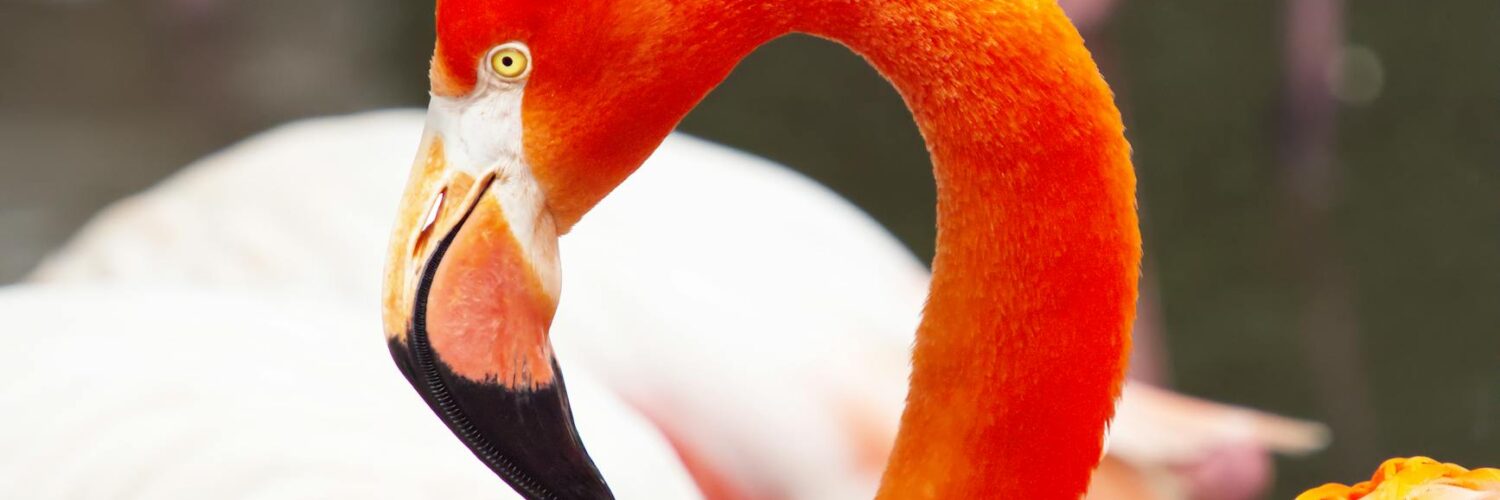
Flamingos are iconic for their vibrant pink or reddish plumage. We often associate them with exotic locales and elegant poses. But have you ever stopped to wonder *why* they are pink? Most people would probably guess it’s just how they are born. Not quite. The brilliant colour of flamingos comes directly from their diet. They feed on a type of algae and small crustaceans that are rich in carotenoid pigments, similar to the beta-carotene that makes carrots orange. If a flamingo doesn’t consume enough of these pigment-rich foods, its feathers will be pale or even white. So, that stunning pink is a direct result of what they eat. They’re essentially what they consume, in a very literal and colourful way. It’s a beautiful example of how diet shapes the very appearance of an animal.
Sloths: The Slowest Mammals and Their Unique Ecosystems
Sloths are famous for being incredibly slow-moving. Their metabolism is so low that they can take days to digest a single meal. This sluggishness has led to them having a unique relationship with their environment. Believe it or not, a sloth’s fur can actually support its own mini-ecosystem. Algae grow on their fur, giving it a greenish tint that helps them camouflage in the rainforest canopy. But it gets even weirder. This algae is a food source for moths, and these moths lay their eggs in sloth droppings. When the moth larvae hatch, they eat the droppings and then pupate in the sloth’s fur before emerging as adult moths. The moths then help disperse the algae spores, and the sloths might even eat some of the moths. It’s a bizarre, mutually beneficial arrangement that highlights how even the slowest, seemingly simplest creatures are integral parts of complex ecological webs.
The Power of Spores: Tiny Survivors
We often think of reproduction in terms of cute babies, but many organisms reproduce using spores. Fungi, ferns, and even some bacteria produce these incredibly resilient tiny packets of genetic material. The amazing thing about spores is their longevity. Some fungal spores have been found to be viable for thousands, even millions, of years. They can survive extreme temperatures, radiation, and dehydration, essentially waiting for the right conditions to germinate. Imagine a seed from a plant that went extinct before humans even walked the earth, still capable of growing today. This incredible survival mechanism allows these organisms to persist through vast geological timescales and recolonize areas after major environmental shifts. It’s a testament to the enduring power of life in its simplest, most robust forms.
Conclusion: A World of Wonder Awaits
The natural world is far more complex, bizarre, and captivating than we often give it credit for. From the brainless brilliance of sea stars to the vast fungal networks connecting forests, and the surprisingly vital roles of microbes and mollusks, our planet is a constant source of astonishing revelations. These facts aren’t just trivia; they underscore the intricate interconnectedness of all life and the delicate balance of our ecosystems. So, the next time you’re out in nature, whether it’s a vast ocean or your own backyard, take a moment to appreciate the hidden wonders and the unwritten rules that govern this incredible planet. There’s always more to learn, more to discover, and more to be amazed by. Planet Earth's Unexpected Guests: Nature's Quirky Surprises




Add comment