
 Axel Foley
Nature’s Wildest Surprises: What You Think You Know Is Probably Wrong
We all have a mental Rolodex of what we think nature is all about. Cute fuzzy bunnies, majestic lions, stoic trees, and the constant hustle of survival. But the natural world is a sneaky, brilliant inventor, constantly rewriting the rules and throwing us curveballs that make our “common knowledge” look a little… well, common. Get ready to have your mind gently (or not so gently) blown, because nature is way weirder and more wonderful than you probably give it credit for.
The “Smart” Rocks That Aren’t So Smart (But Still Pretty Cool)
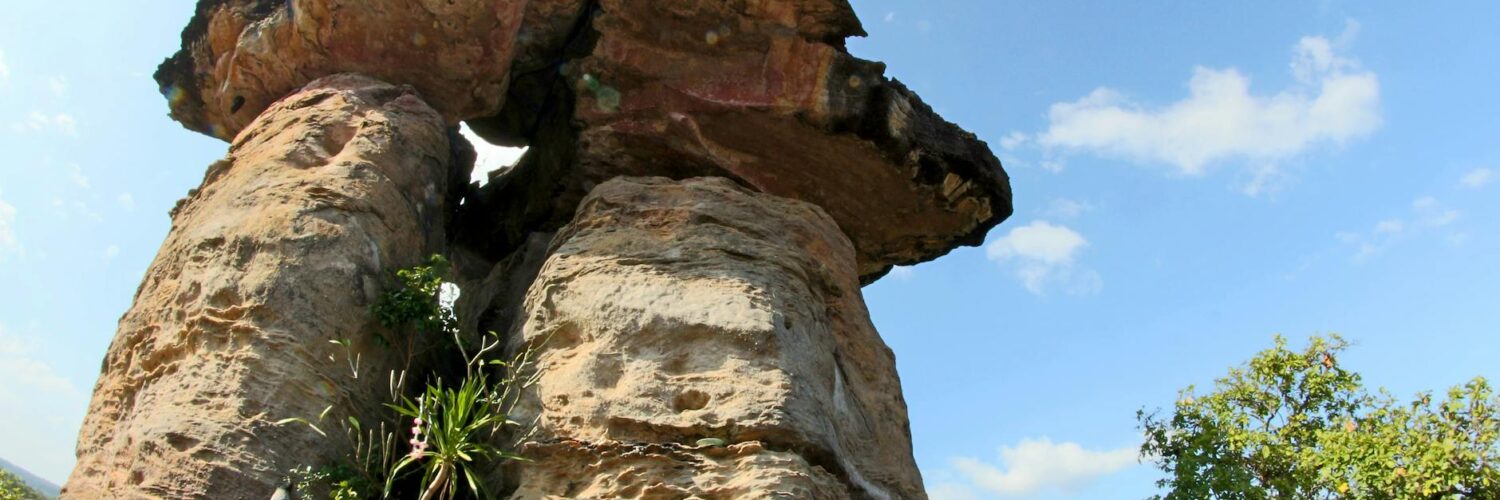
Picture this: you’re walking in a desert, and you see a rock. Nothing special, right? Wrong. Some desert rocks, particularly in arid regions, have a fascinating characteristic. When it rains, they can actually *move*. No, they don’t sprout legs and waddle off. These are “moving rocks” or “sailing stones,” and they’re a real phenomenon found in places like Death Valley. The common explanation? A thin layer of water forms under the rock, freezing at night and then melting during the day, allowing the rock to glide across the mud. It’s like a slow-motion, geological ice-skating rink. What’s mind-bending is that these rocks can travel hundreds of feet, leaving long, winding trails. We tend to think of rocks as being completely inert, but these guys remind us that even the seemingly inanimate can be part of a dynamic, albeit very slow, process.
The Plant That Eats Metal (No, Seriously)
Forget Venus flytraps and their dramatic snapping jaws. There are plants out there with a much subtler, yet incredibly powerful, appetite: metal. Specifically, some plants are known as “hyperaccumulators.” These botanical marvels can absorb and store metals from the soil at concentrations hundreds of times higher than other plants. Take the “alpine pennycress” from the Balkans. This little guy can accumulate nickel to an astonishing 18% of its dry weight. That’s like finding a plant that’s almost 20% pure metal! Scientists are super excited about this because it opens up possibilities for phytomining – using plants to extract valuable metals from contaminated soils. So, next time you see a patch of green, remember it might just be a silent, leafy gold digger.
The Animal That Can Live Forever (Sort Of)
When we think of life cycles, we think of birth, growth, reproduction, and eventually, death. It’s the natural order. But then there’s the Turritopsis dohrnii, a tiny species of jellyfish. This little creature has a trick up its sleeve that sounds like science fiction: it can revert back to its earliest life stage, a polyp, after reaching maturity. When stressed, injured, or old, instead of dying, it can essentially “reset” itself. Imagine a butterfly turning back into a caterpillar, then a chrysalis, and then a caterpillar again, indefinitely. While it can still be eaten or die from disease, this biological immortality is a profound challenge to our understanding of aging and mortality. It’s nature’s ultimate life hack.
The Fungus That Controls Ants (And It’s Not Just a Sci-Fi Trope)
Zombies. They’re a staple of horror movies. But did you know that nature has its own version of zombie-making parasites? Enter Ophiocordyceps unilateralis, also known as the “ant-zombie fungus.” This insidious fungus infects certain species of ants, and once inside, it takes over their brains. The infected ant is driven to leave its colony and climb to a specific height on a plant stem, where it bites down firmly, securing itself in place. The fungus then grows a stalk from the ant’s head, releasing spores to infect more ants below. It’s a chillingly effective way for the fungus to spread, and it proves that reality can be far more bizarre and terrifying than fiction. It’s a vivid example of how interconnected ecosystems can be, with one organism having such profound control over another.
The Ocean’s “Invisible” Forests That Are Vital
When we think of forests, we picture towering trees, lush greenery, and the symphony of life on land. But the oceans have their own magnificent, sprawling forests, and they’re often overlooked. These are kelp forests. These giant brown algae can grow up to 150 feet tall, forming dense underwater canopies that provide habitat, food, and shelter for a quarter of all marine life. They act as nurseries for young fish, protect coastlines from erosion, and absorb vast amounts of carbon dioxide. Unlike land forests, kelp can grow incredibly fast, sometimes several feet a day. Their health is directly linked to ocean temperatures and pollution, making them sensitive indicators of environmental change. So, the “rainforests of the sea” aren’t just coral reefs; these towering underwater gardens are equally crucial. Nature's Unexpected Sideshow: A Carnival of Curious Creatures and Crazy Ecosystems
The Bird That Doesn’t Build a Nest (But Still Has Babies)
We associate birds with intricate nests, carefully built twig by twig. But then there are the cuckoos. These birds are famous for their brood parasitism. Instead of building their own nests and raising their young, they lay their eggs in the nests of other bird species. The unsuspecting host parents then incubate the cuckoo’s egg and, once it hatches, feed and care for the cuckoo chick, often to the detriment of their own offspring. Sometimes, the cuckoo chick even pushes the host’s eggs or chicks out of the nest to ensure it gets all the attention and food. It’s a ruthless, yet incredibly successful, reproductive strategy that completely subverts our typical understanding of avian parental care.
The Sleepy Giant That’s Actually a Super-Organism
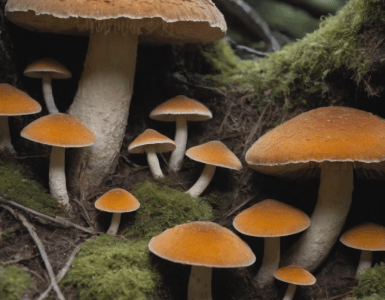
We tend to think of ourselves as individuals, and most animals do too. But what if I told you that some of the largest “organisms” on Earth aren’t what they appear? Take the Armillaria ostoyae, a type of fungus. In the Malheur National Forest in Oregon, there’s a single specimen that covers nearly 2,400 acres and is estimated to be thousands of years old. It’s so vast that it’s often called the “Humongous Fungus.” Most of this organism is hidden underground, a vast network of mycelium (thread-like filaments) that spreads through the soil, connecting hundreds of individual mushroom fruiting bodies. It’s a colossal, interconnected life form that challenges our definition of what an individual “being” can be. It’s a living, breathing, underground network that dwarfs many of the animals we consider to be the giants of nature.
The Plant That Can “Hear” (Sort Of)
Plants are usually depicted as passive, responding only to sunlight and water. But recent research suggests that some plants might be able to “hear” or at least detect vibrations. Studies have shown that certain flowers, like the yellow-carpet flower (*Vespertine*), can sense the vibrations caused by the wings of bees. When a bee is nearby, the flower’s petals become stiffer, making the pollen easier for the bee to collect. This suggests a sophisticated level of sensory perception, allowing plants to respond to their environment in ways we’re only just beginning to understand. It’s not like they’re listening to the radio, but it’s a far cry from being completely oblivious to their surroundings.
The Forest That Walks
This one sounds like pure fantasy, but it’s a real, albeit slow and awe-inspiring, phenomenon. In some parts of the world, particularly in the Arctic and sub-Arctic regions, you can witness “glacier flow” or “rock glaciers.” These aren’t just piles of rocks; they are mass movements of rocky debris that move downslope like a very, very slow-moving river of stone, often lubricated by interstitial ice. Imagine a sluggish, rocky landslide that keeps on going, inching forward over decades or even centuries. These “walking forests,” as they might appear from a distance due to the vegetation growing on them, are a powerful testament to the immense, slow forces shaping our planet. It’s nature’s geological equivalent of a marathon runner.
The Takeaway: Stay Curious!
Nature is a master storyteller, and its tales are filled with plot twists, unexpected characters, and breathtaking scenery. The more we learn, the more we realize how much we *don’t* know. So, the next time you’re out in the wild, or even just looking at a plant in your garden, remember that there might be a lot more going on than meets the eye. Keep questioning, keep exploring, and keep being amazed. The natural world is a constant invitation to look closer and discover the extraordinary in the ordinary. Nature's Unexpected Whims: Wild Facts That'll Make You Say "Huh?"




Add comment