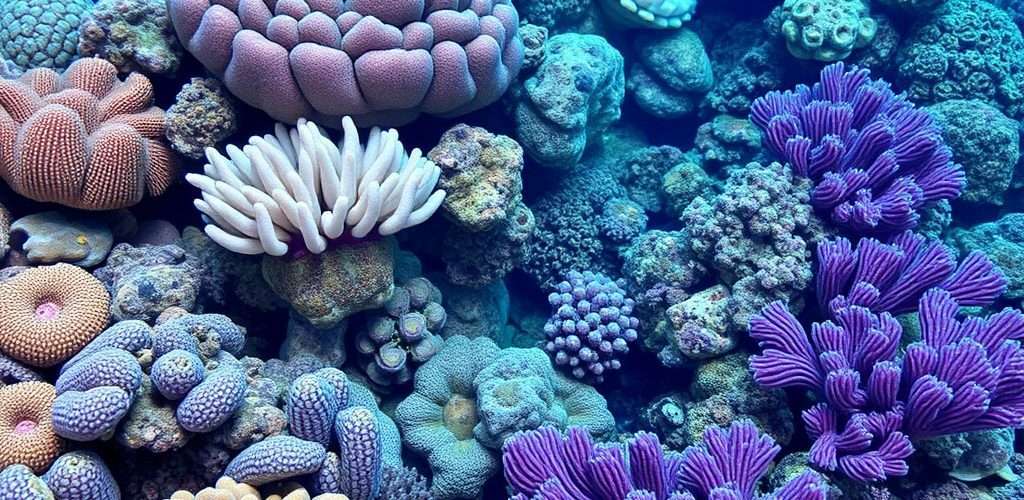
The Great Barrier Reef, the world’s largest coral reef system, is facing significant threats from climate change, pollution, and overfishing. Rising sea temperatures cause coral bleaching, where corals lose their vibrant colors and essential symbiotic algae. Conservation efforts are underway to protect and restore this natural wonder, which is home to thousands of marine species.
You may also like
Nature’s Unexpected Revelations: Flipping the Script on the Wild World
We think we know nature. We’ve seen the documentaries, read the textbooks, maybe even spent a weekend camping. But the truth is, the natural world is a constant barrage of surprises, a dazzling display of unexpected talents and bizarre behaviors that make even the most seasoned nature enthusiast do a double take. Forget what you *think* you know – prepare to have your assumptions delightfully shattered. The Surprisingly Social Sloth Sloths. Picture them: slow, solitary creatures, hanging upside down in trees, barely moving. The epitome of chill, right? Wrong! Recent research shows that sloths are far more social than previously believed. They’re not just hanging out alone; they actually communicate through a surprisingly complex system of vocalizations and scent marking, maintaining intricate social networks within their arboreal neighbourhoods. Scientists are only beginning to unravel the intricate social dynamics of these seemingly solitary creatures. Imagine a sloth...
Mother Nature’s Unexpected Party Tricks: Mind-Blowing Revelations from the Wild
Mother Nature’s Unexpected Party Tricks We think we know nature. We’ve seen the documentaries, read the books, maybe even spent a weekend camping. But the truth is, the natural world is a constant source of jaw-dropping surprises, a place where common sense goes on vacation and reality bends to the whims of evolution. Let’s dive into some mind-blowing facts that’ll make you question everything you thought you knew. The Surprisingly Social Spider Forget lonely spiders lurking in dark corners. Many spider species are super social! The social spiders of the genus Anelosimus, for example, build massive communal webs that can house thousands of individuals, all working together to catch prey and raise young. This collaborative effort challenges the stereotypical image of the solitary arachnid. It’s basically a spider commune, and it’s awesome. Plants That Eat Meat (and More!) Carnivorous plants – like the Venus flytrap – are pretty well-known, but did...
What Are the Main Types of Biomes on Earth?
What are the main types of biomes on Earth? Dive into the wonders of deserts, forests, grasslands, and more in this essential guide.


Add comment