
 Axel Foley
The Unexpectedly Familiar: A Journey Through Astonishing Everyday Facts
We walk through life surrounded by the seemingly mundane. A salt shaker, a handshake, the color blue – these are the backdrop to our existence. But what if I told you that within these everyday elements lie a universe of astonishing facts, surprising trivia, and hidden connections that make the ordinary, well, extraordinarily fascinating? Forget the mind-blowing theoretical physics for a moment; let’s explore the delightful oddities that are right under our noses.
The Humble Salt Shaker: More Than Just a Flavor Enhancer
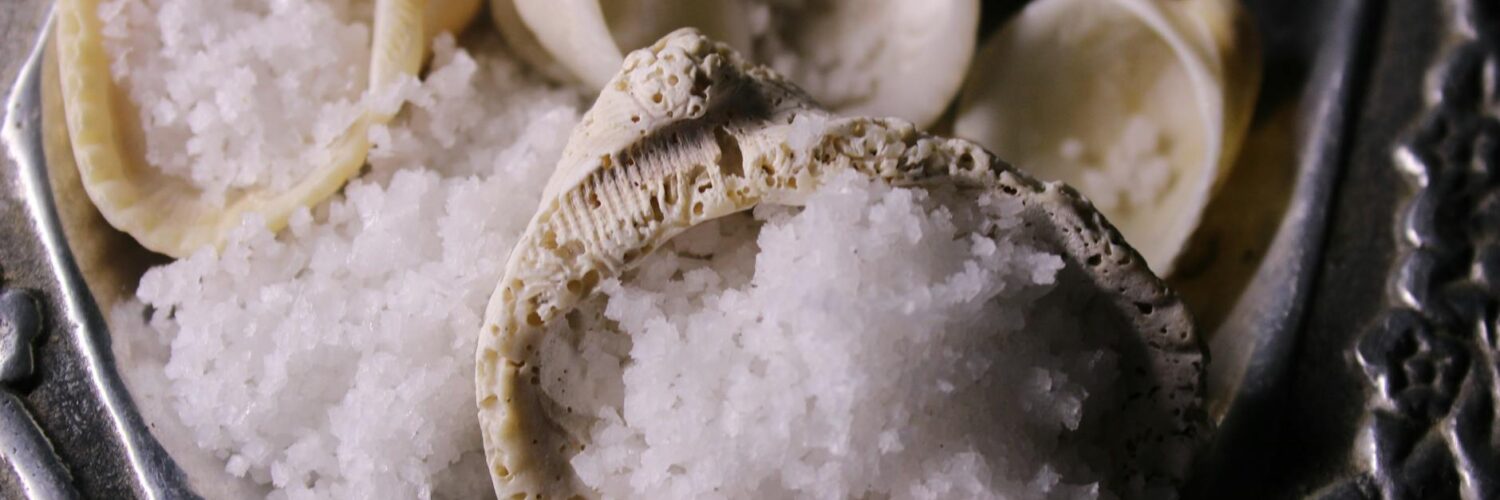
Think about that little perforated friend on your dining table. We grab it without a second thought. But did you know that the number of holes in a standard salt shaker is often four? This isn’t some grand conspiracy; it’s a practical design choice! Too few holes, and you’d get a salt avalanche. Too many, and you’d be rationing your seasoning. It’s arrived at a sweet spot for controlled dispersion. But here’s a twist: some older or decorative shakers might have more, leading to a delightful sprinkle. And a fun fact for the globally curious: in many parts of the world, salt shakers are designed to hold pepper, and vice-versa, often signifying the contents by color – a subtle visual cue we’ve just learned to accept. It’s a global inside joke we all participate in, often without realizing it. Beyond the Obvious: Unexpected Twists on Everyday Knowledge Everyday Oddities: Stuff You Know, But Maybe Not *Why* You Know It
The Power of a Nod: The Unexpected Story of Handshakes
The handshake. It’s a ritual we barely notice. A greeting, a deal sealed, a moment of connection. But its origins might surprise you. The commonly accepted theory is that ancient warriors would extend their open right hand to show they weren’t holding a weapon, like a sword, thus demonstrating peaceful intentions. Think about it: extending your dominant weapon hand was a pretty big sign of trust! Today, in some cultures, the handshake has evolved. In certain parts of the Middle East, it’s customary to shake hands with the left hand, as the right hand is considered the “clean” hand, used for eating. It’s a subtle reminder that a simple gesture can have a rich and varied history, shaped by vastly different cultural norms. So, the next time you shake hands, remember you’re participating in an age-old display of trust and communication.
Why Blue? The Surprisingly Complex History of a Common Color
We see blue everywhere. The sky, the ocean, our favorite pair of jeans. It’s such a fundamental part of our visual world. But here’s a mind-bender: for a long time, many ancient languages didn’t have a specific word for the color blue. Homer, in his epic poems like The Odyssey, describes the sea as “wine-dark.” Imagine! This doesn’t mean they couldn’t see blue; it means it wasn’t a distinct category in their linguistic universe. The perception and categorization of colors are surprisingly fluid and have evolved over time. The development of words for colors often coincided with the development of dyes and pigments used to create them. So, the fact that we so readily identify and name “blue” is actually a testament to human ingenuity and cultural development. It’s a color we’ve learned to see, and more importantly, learned to name.
The Silent Language of Our Toes: A Surprising Biomechanical Secret
Let’s talk about feet. Specifically, your toes. You might think they’re just there to help you balance or wiggle in your socks. But there’s more! The length of your second toe, often called the “Morton’s toe,” can actually tell you something about your foot type and even predispose you to certain biomechanical issues. If your second toe is longer than your big toe, you might have what’s considered a “Greek foot.” Conversely, if your big toe is the longest, it’s a “Egyptian foot.” This seemingly minor difference can influence how you distribute weight, how your shoes fit, and even contribute to conditions like bunions or plantar fasciitis. It’s a subtle architectural detail that has surprising implications for our overall physical comfort and well-being. Who knew your toes had such a story to tell?
The Peculiar Power of Pineapple: A Royal Symbol and Culinary Quandary
Pineapples. Delicious, tropical, and with a bit of a thorny exterior. But their history is surprisingly regal. In the 17th and 18th centuries, pineapples were incredibly rare and expensive in Europe. Owning a pineapple was a massive status symbol, a sign of immense wealth and exotic taste. People would literally rent them out for parties just to show them off! But here’s the truly bizarre part: pineapples are technically a multiple fruit, made up of many fused berries. And, to ripen, they require warm temperatures and sunshine. Once picked, they don’t continue to ripen in the way an apple or banana does. In fact, they actually start to ferment and go bad once picked, even if they seem to soften. So, that perfect pineapple you bought might have been at its peak ripeness days before you even laid eyes on it. A fruit that’s both a symbol of luxury and a ticking clock.
The Hidden World of Bacteria: More Friends Than Foes?
We often think of bacteria as the enemy, the invisible force behind illness. But what if I told you that you are, in fact, a walking, talking ecosystem? You are home to trillions of bacteria, outnumbering your own human cells. And the vast majority of these are not harmful; they are incredibly beneficial! Your gut microbiome, a complex community of these microscopic residents, plays a crucial role in digesting your food, boosting your immune system, and even influencing your mood. Some scientists believe that the health of our gut bacteria is so vital that it’s almost like another organ. So, the next time you feel a rumble in your tummy, remember that it might be your tiny tenants doing their important work, keeping you healthy and functioning. It’s a microscopic partnership that sustains us.
The Sound of Silence: The Unexpected Nature of True Quiet
We all crave a bit of peace and quiet sometimes, don’t we? But what is true silence? In an anechoic (echo-free) chamber, designed to absorb virtually all sound, people often report hearing their own heartbeat, their own breathing, even the blood rushing through their veins. It’s a level of quiet so profound it becomes almost overwhelming, revealing a symphony of internal sounds we normally tune out. The absence of external noise doesn’t create a void; it amplifies our internal world. This can be disorienting and even anxiety-inducing for some. It turns out, a certain level of ambient sound might be necessary for our sanity and our ability to function. Complete silence, the kind we might dream of, is a rare and often unsettling experience.
The Astonishing Resilience of Dust: A Cosmic Connection
Dust. The bane of neat homes everywhere. We swat it away, vacuum it up, and try to ignore it. But this seemingly insignificant household irritant has a far grander origin story. Much of the dust in your home, and indeed on Earth, is made up of tiny particles of rock, minerals, and organic matter that were once part of stars. Yes, you read that right. The atoms that make up the dust on your bookshelf are literally stardust. They were forged in the hearts of ancient stars and scattered across the cosmos through supernova explosions millions or billions of years ago. So, when you’re cleaning, you’re not just tidying up; you’re interacting with remnants of cosmic events. It’s a humbling thought, connecting your domestic chores to the vastness of space and time.
The world around us is a treasure trove of the unexpected. By looking a little closer, by asking “why,” we can transform the mundane into the marvelous, uncovering hidden histories, surprising connections, and a deeper appreciation for the astonishing ordinary that surrounds us every day. So, keep your eyes and your mind open – you never know what wonders you might discover next.






Add comment