
 Axel Foley
We all love a good movie, a catchy tune, or a stunning piece of art. They entertain us, move us, and sometimes, they just make us think “wow.” But beneath the surface of our favorite films, songs, and paintings, there’s a whole world of clever tricks, cultural nods, and fascinating creative decisions that most of us completely miss. It’s like finding secret Easter eggs in your favorite video game, but with more artistic flair. Let’s dive into some of these overlooked wonders. Beyond the Canvas and the Screen: Hidden Gems and Unexpected Connections in Entertainment and Art
The Subtle Art of Movie Magic
Movies are a masterclass in manipulation, and I mean that in the best possible way. Have you ever noticed how certain colors dominate a scene? This isn’t by accident. Directors and cinematographers use color psychology to influence your mood. Think about the warm, comforting oranges and yellows in a cozy homecoming scene, often contrasted with the cold blues and grays that signify danger or isolation. In films like “Amelie,” the vibrant reds and greens aren’t just pretty; they’re part of Amelie’s whimsical, almost fairytale view of Paris. It’s a visual language that speaks directly to our emotions without us even realizing it.
Then there are the visual gags or callbacks that fly right over our heads. Remember the iconic “2001: A Space Odyssey” bone toss that transforms into a spaceship? That’s a visual metaphor for evolution and technological leaps, all in one swift cut. Or consider the subtle recurring objects or symbols. In “Spider-Man: Homecoming,” the recurring motif of homemade items, like Peter Parker’s homemade suit and the use of everyday objects in fights, grounds the superhero in a relatable reality, even at incredible stakes. These aren’t just random props; they’re woven into the narrative fabric.
And what about sound design? It’s so much more than just background noise. That subtle creaking door in a horror film? It’s designed to make your heart jump. The specific crunch of footsteps on gravel? It tells you about the environment and the character’s movement. Even the absence of sound can be incredibly powerful, creating tension and anticipation. Think about the eerie silence before a jump scare. It’s a sonic art form that works in tandem with the visuals to create a complete experience.
Music’s Hidden Harmonies and Lyrical Layers
Music is often about rhythm and melody, but the truly great songs have so much more going on. Have you ever listened to a song and felt a particular emotion, only to realize later it was the subtle shift in the harmony or the unexpected use of a particular instrument? For instance, the Beatles were pioneers in using unconventional instruments and studio techniques. The use of a sitar in “Norwegian Wood” wasn’t just an exotic flavor; it represented a new cultural influence and a departure from traditional Western pop music. It opened doors for many other artists.
Lyrical analysis can be a rabbit hole of fun. Many songwriters embed references to literature, history, or even other songs. Bob Dylan is a master of this, weaving complex narratives filled with allusions that reward close listening. Or consider the brilliance of a song like “Bohemian Rhapsody” by Queen. It’s not just a song; it’s a mini-opera with distinct movements, dramatic shifts in tempo, and lyrical themes that are still debated today. The operatic section, for example, is a bold artistic choice that elevates the song from a rock ballad to something truly epic.
And let’s not forget the “earworms.” Why do some melodies get stuck in our heads? It’s often due to a combination of repetition, simple melodic structures, and a catchy rhythm that our brains find easily digestible. It’s a fascinating intersection of psychology and musical composition. The science behind what makes a melody “catchy” is surprisingly complex, involving factors like note intervals and rhythmic patterns that are easy for our brains to process and recall.
Visual Arts: More Than Meets the Eye
When we look at a painting or a sculpture, we often react to its immediate impact. But the artist’s intention, the historical context, and even the materials used can add layers of meaning we might miss. Take Impressionism, for example. When Monet and his contemporaries first exhibited their work, art critics were baffled. They were used to finely detailed, realistic paintings. The Impressionists, with their visible brushstrokes and focus on light and fleeting moments, were revolutionary. What we now see as beautiful and groundbreaking was once considered unfinished or sloppy.
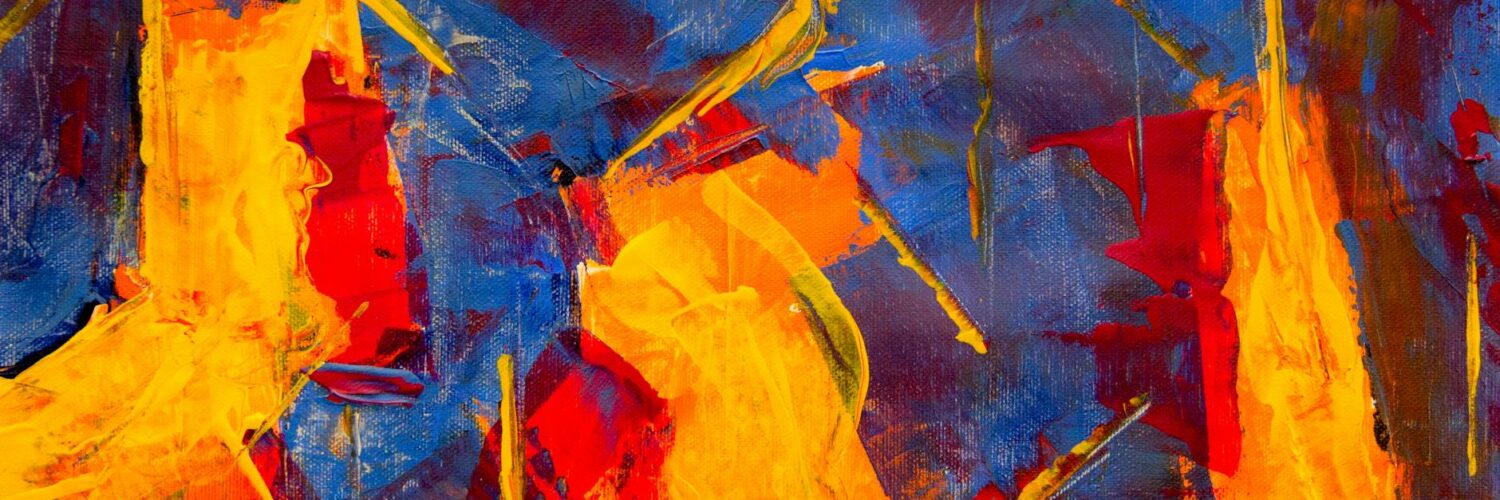
Consider the story behind Van Gogh’s “Starry Night.” While many see a beautiful, swirling sky, the painting was created while he was in an asylum. Some art historians interpret the intense swirls and cypress tree (often associated with death and remembrance) as reflections of his inner turmoil and his longing for the infinite. The vibrancy of the blues and yellows isn’t just aesthetic; it’s a raw expression of his emotional state.
Even the frames artists choose for their work can be significant. A heavily ornate frame can suggest a classical or important subject, while a minimalist frame might emphasize the artwork itself. And the materials? The use of gold leaf in medieval art wasn’t just for show; it symbolized divinity and eternity. Nowadays, artists might use found objects or digital mediums, each choice carrying its own artistic statement and cultural commentary. The very act of choosing a medium is an artistic decision.
Cultural Connections and Creative Echoes
Art and entertainment are constantly in dialogue with culture. Think about how many movies nod to classic literature or ancient myths. The “Star Wars” saga, for instance, draws heavily on Joseph Campbell’s “hero’s journey” archetypes, a narrative structure found in countless myths and stories throughout history. This isn’t plagiarism; it’s building upon a timeless storytelling foundation that resonates with audiences on a deep, subconscious level.
Music often borrows from and remixes existing genres and sounds. Hip-hop, in particular, is built on sampling, taking bits and pieces of old records to create something entirely new. This practice is not just about nostalgia; it’s a creative process of recontextualization, giving old sounds new life and meaning. It’s a form of cultural conversation where past and present collide. Beyond the Curtain: Unexpected Twists in the World of Entertainment
Even something as seemingly simple as a character’s costume in a film can be a rich tapestry of cultural references. The costume design team for “Black Panther” meticulously researched African cultures to create outfits that were both futuristic and deeply rooted in tradition, each piece telling a story about the character and their heritage. This level of detail enriches the viewing experience immeasurably.
Embracing the Unseen
The next time you watch a movie, listen to an album, or visit an art gallery, try to look a little deeper. Ask yourself why a certain color is used, what a particular lyric might be referencing, or what the artist might have been trying to convey beyond the obvious. It’s in these hidden threads, these subtle choices, that the true magic of art and entertainment often lies. It’s a continuous discovery, and the more you look, the more you find. This exploration not only enhances your appreciation but also connects you more profoundly with the creative minds behind these works.





Add comment